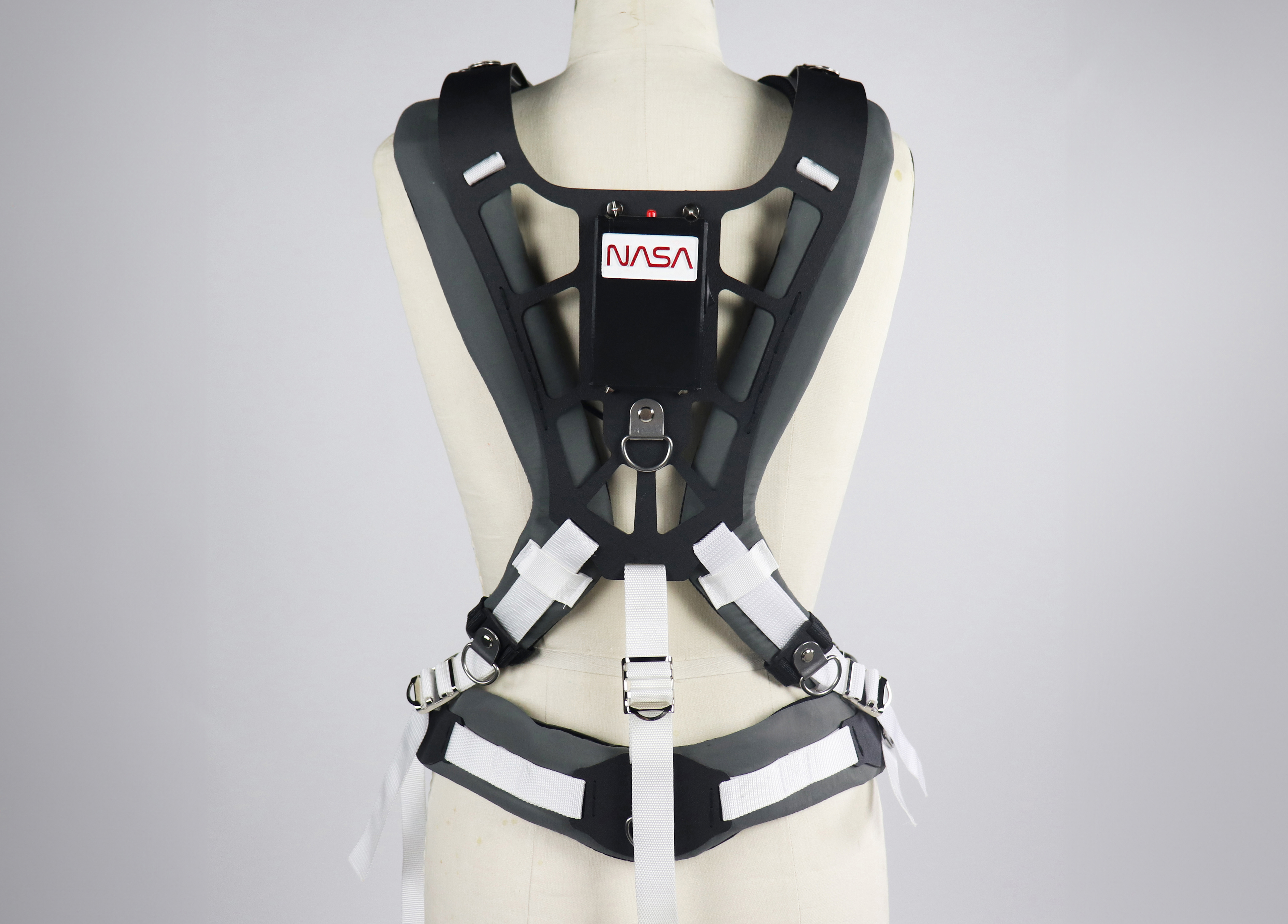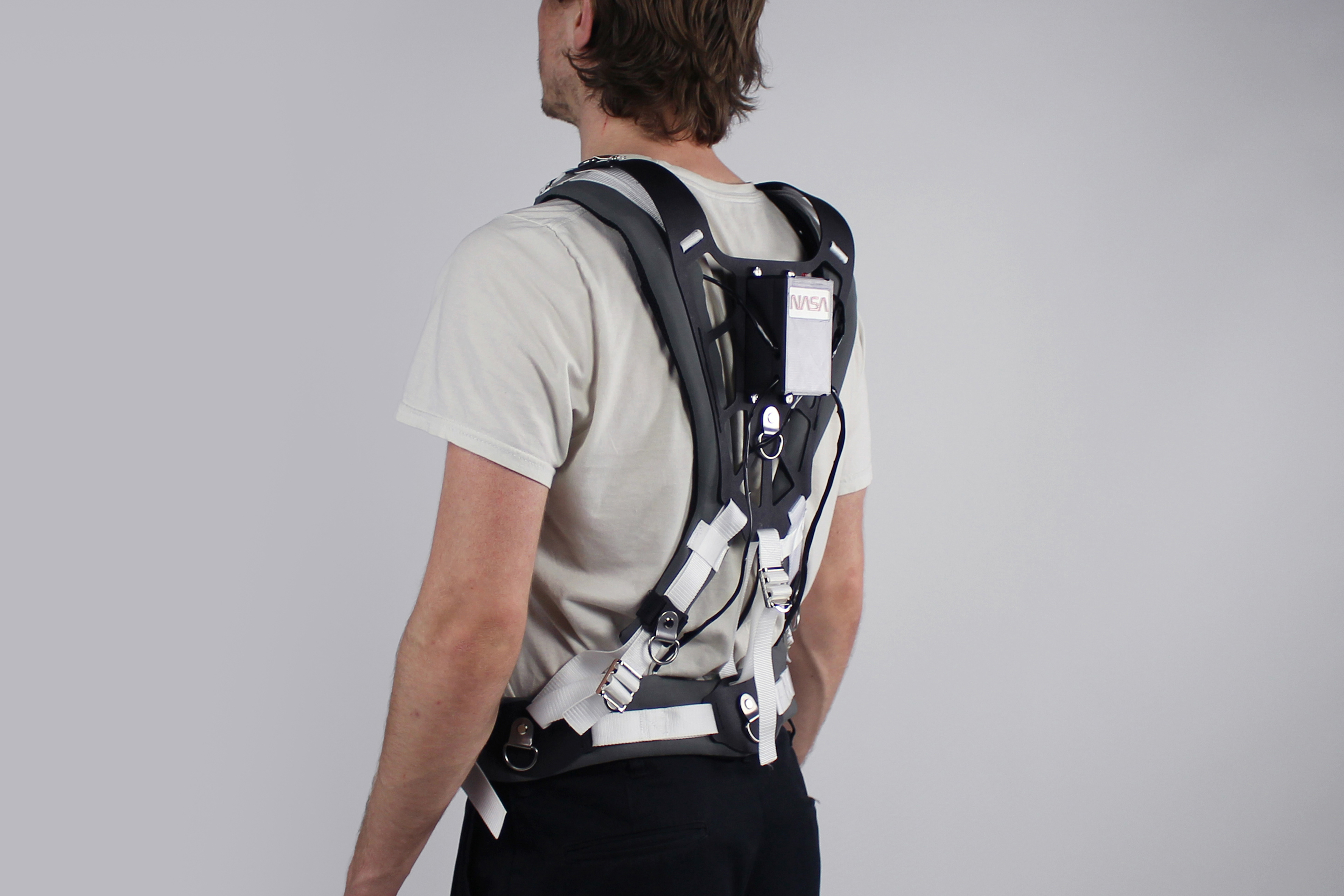
This NASA-sponsored group project endeavors to enhance exercise harnesses for astronauts in microgravity. The current designs are not only uncomfortable but also technically restrictive, thereby compromising exercise efficiency and associated health risks. The proposed solution incorporates an exoskeleton structure for improved load distribution, integrated sensors for precise load tracking, and features a highly adjustable, ergonomic fit that accommodates a wide range of users.
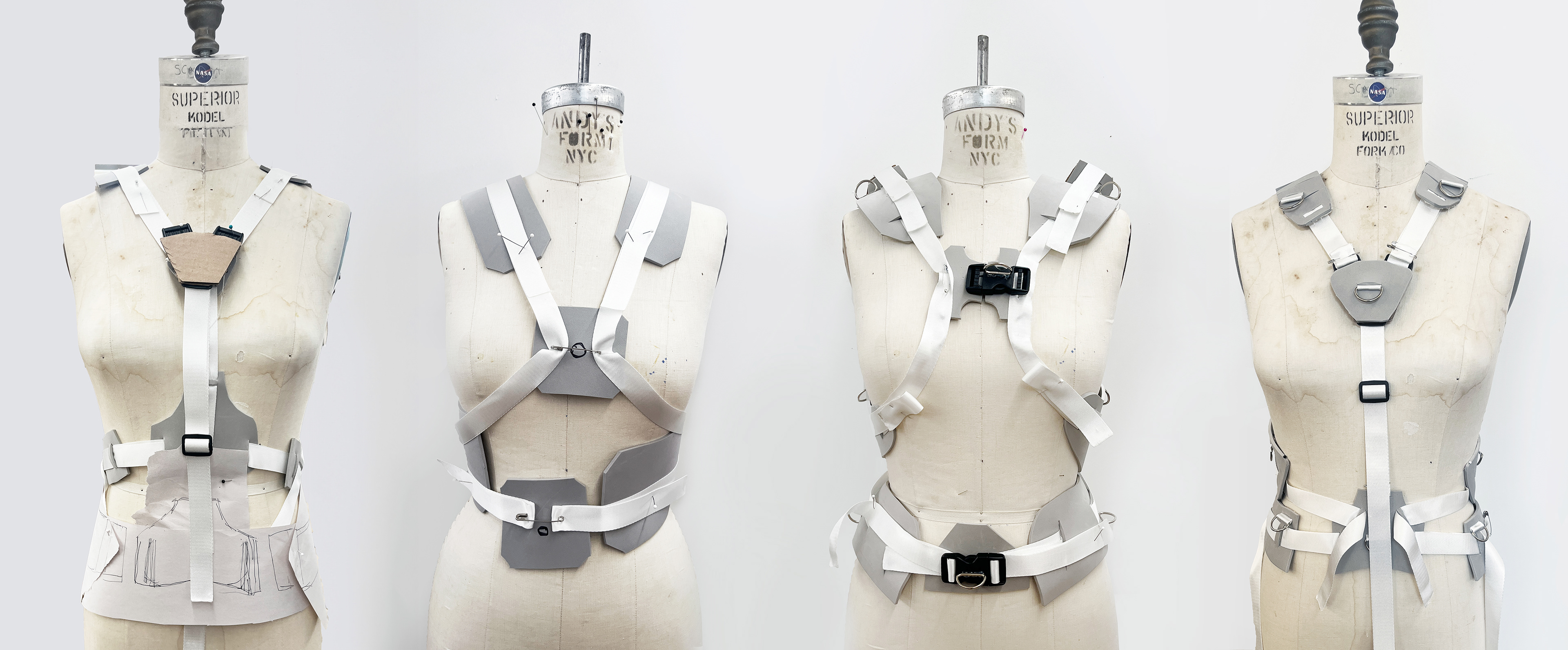
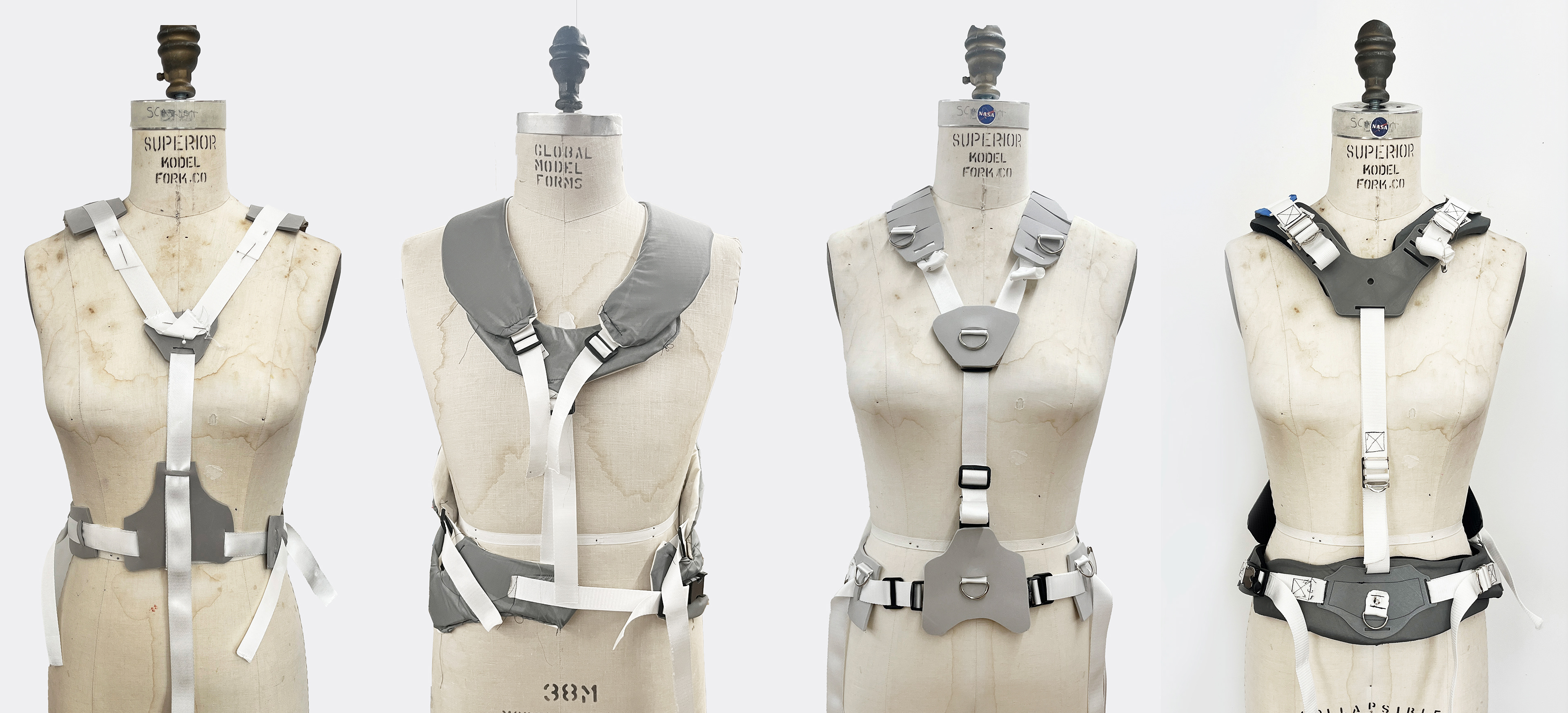
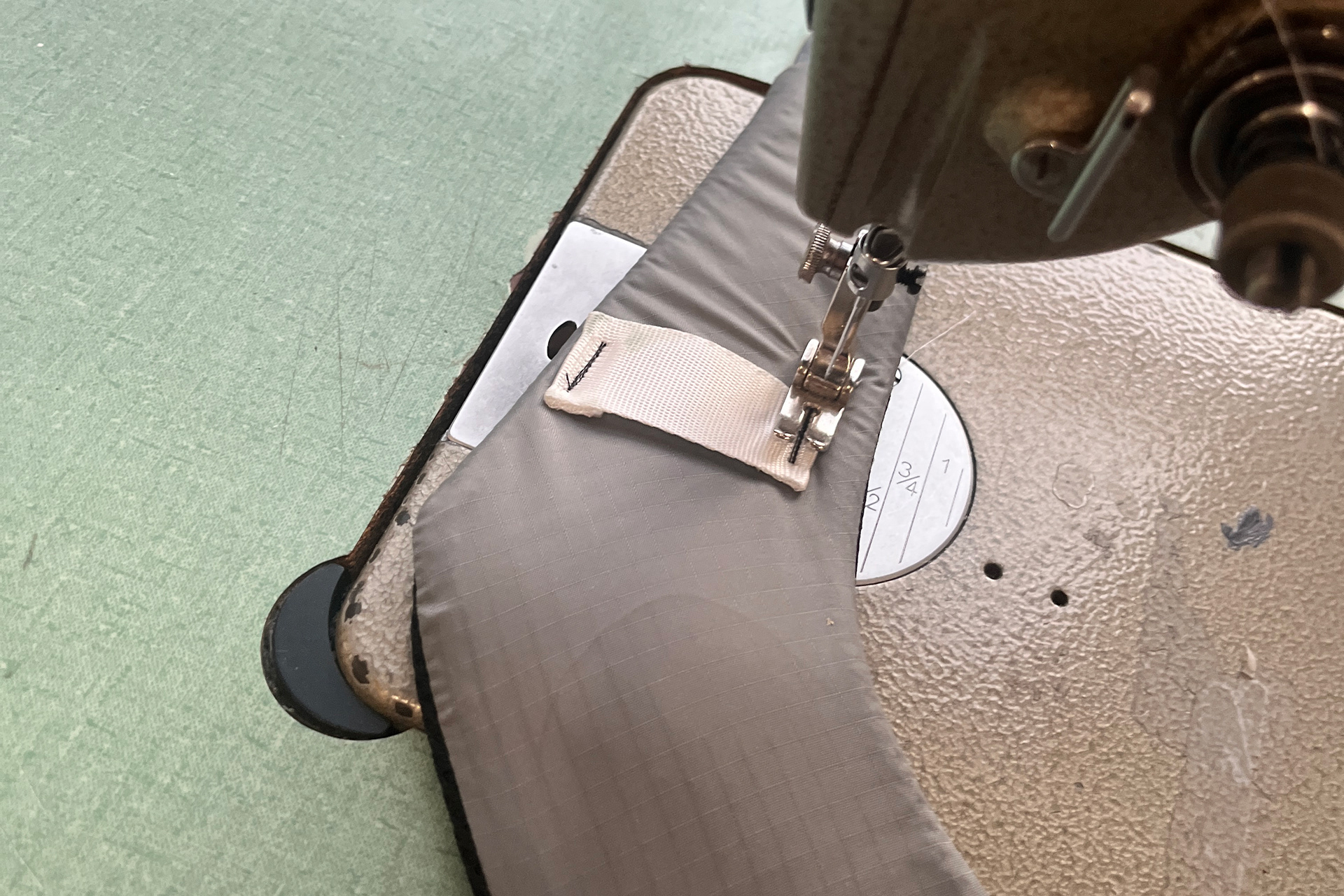
We created foam, webbing, and fabric prototypes to prioritize comfort, efficiency, and attachment points.
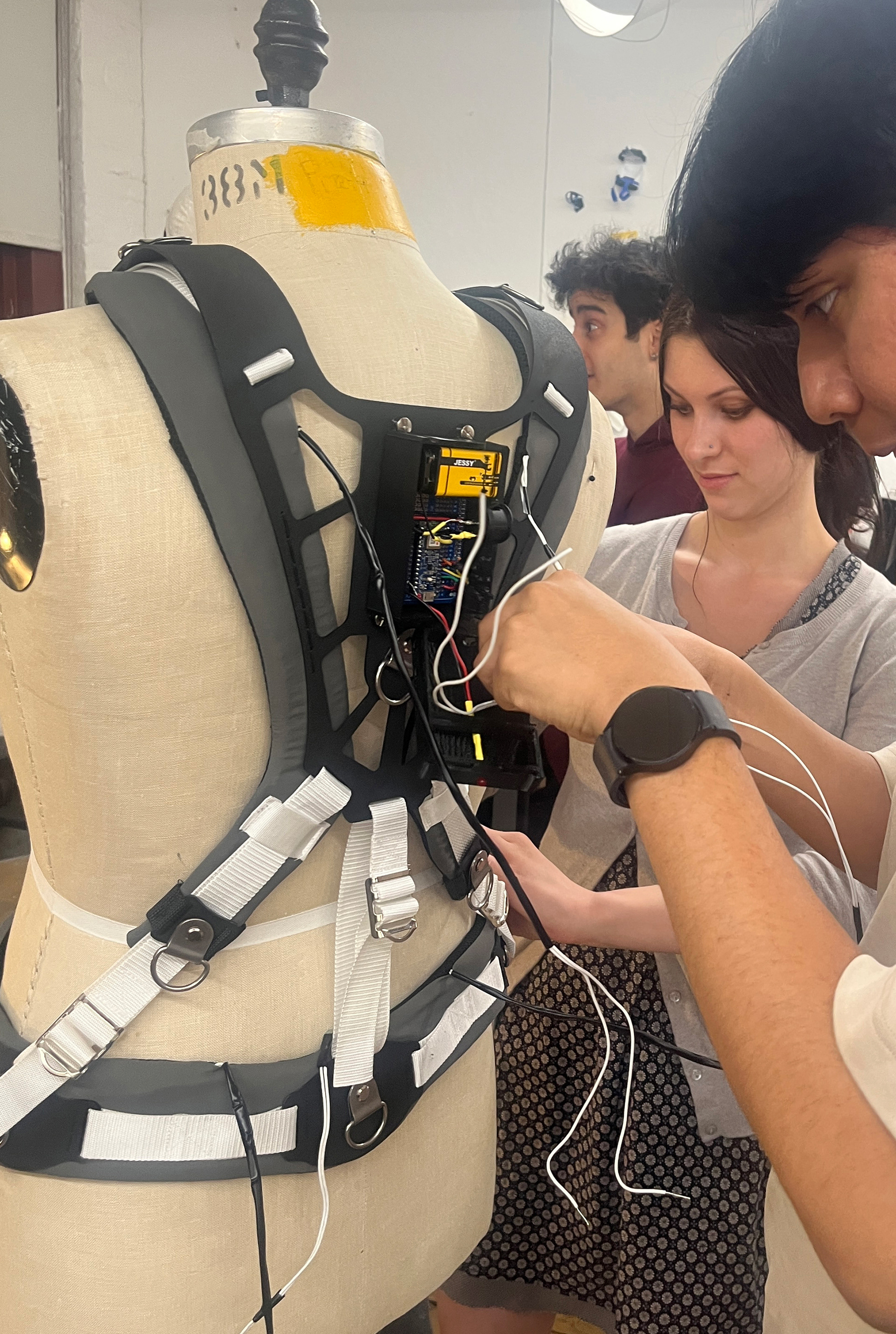
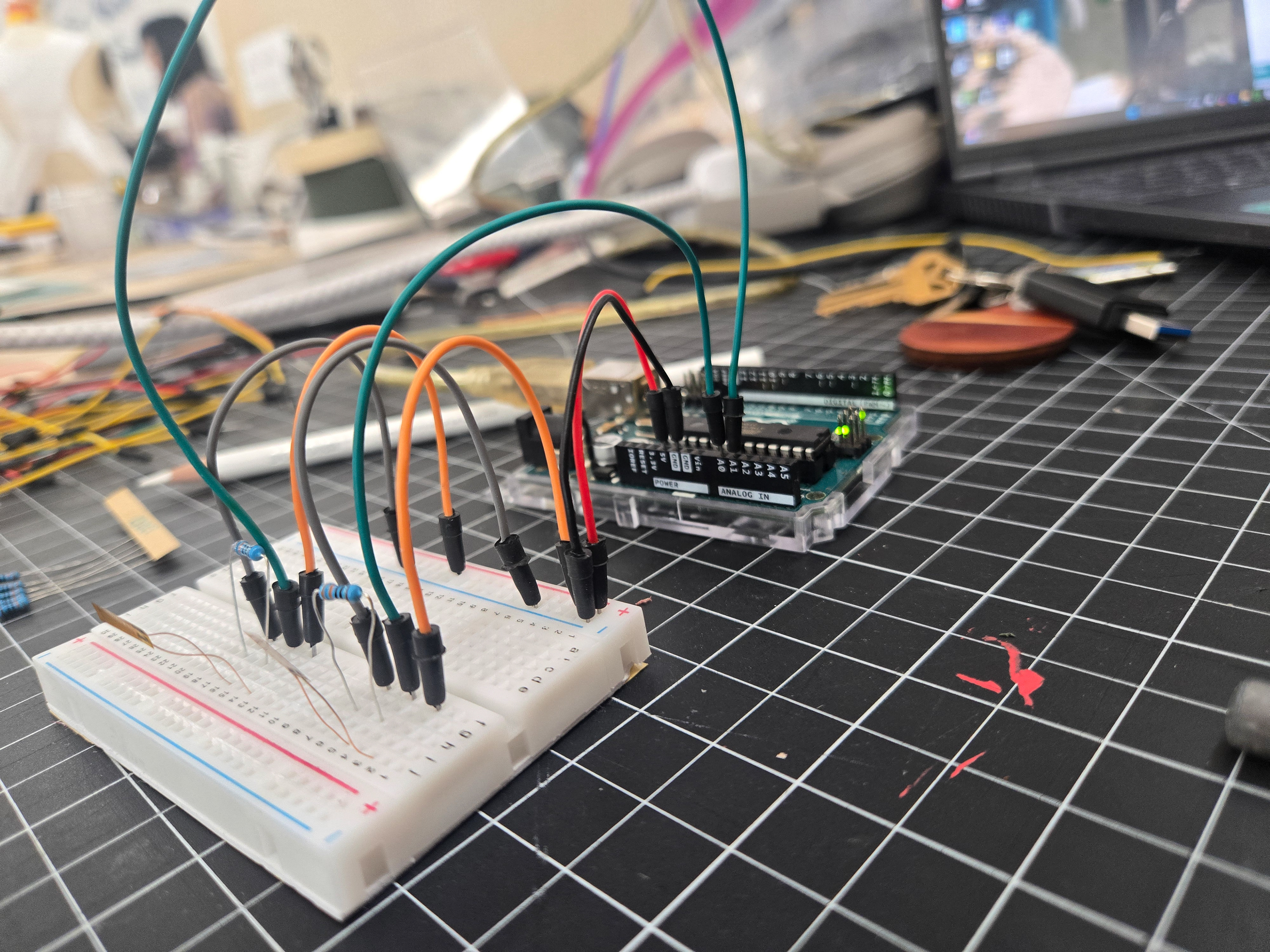
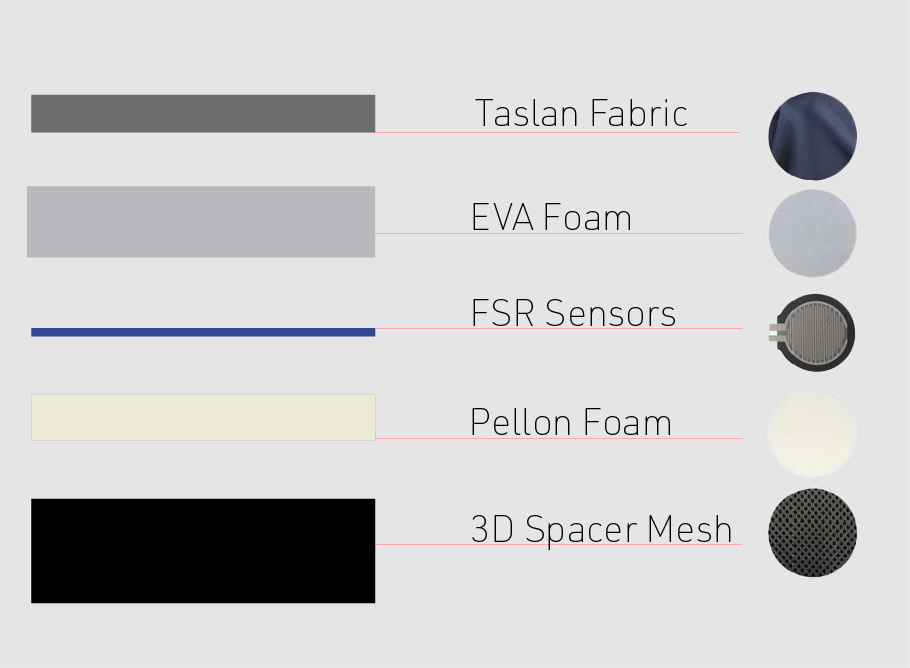
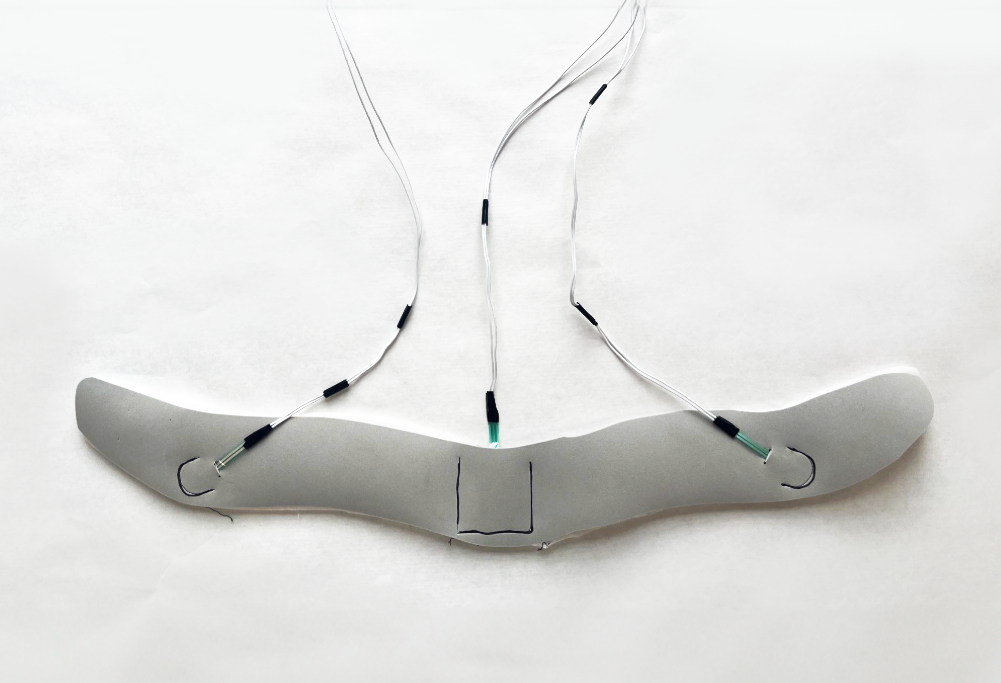
The sensors are embedded in the harness and connected to an Arduino microcontroller mounted on the back.
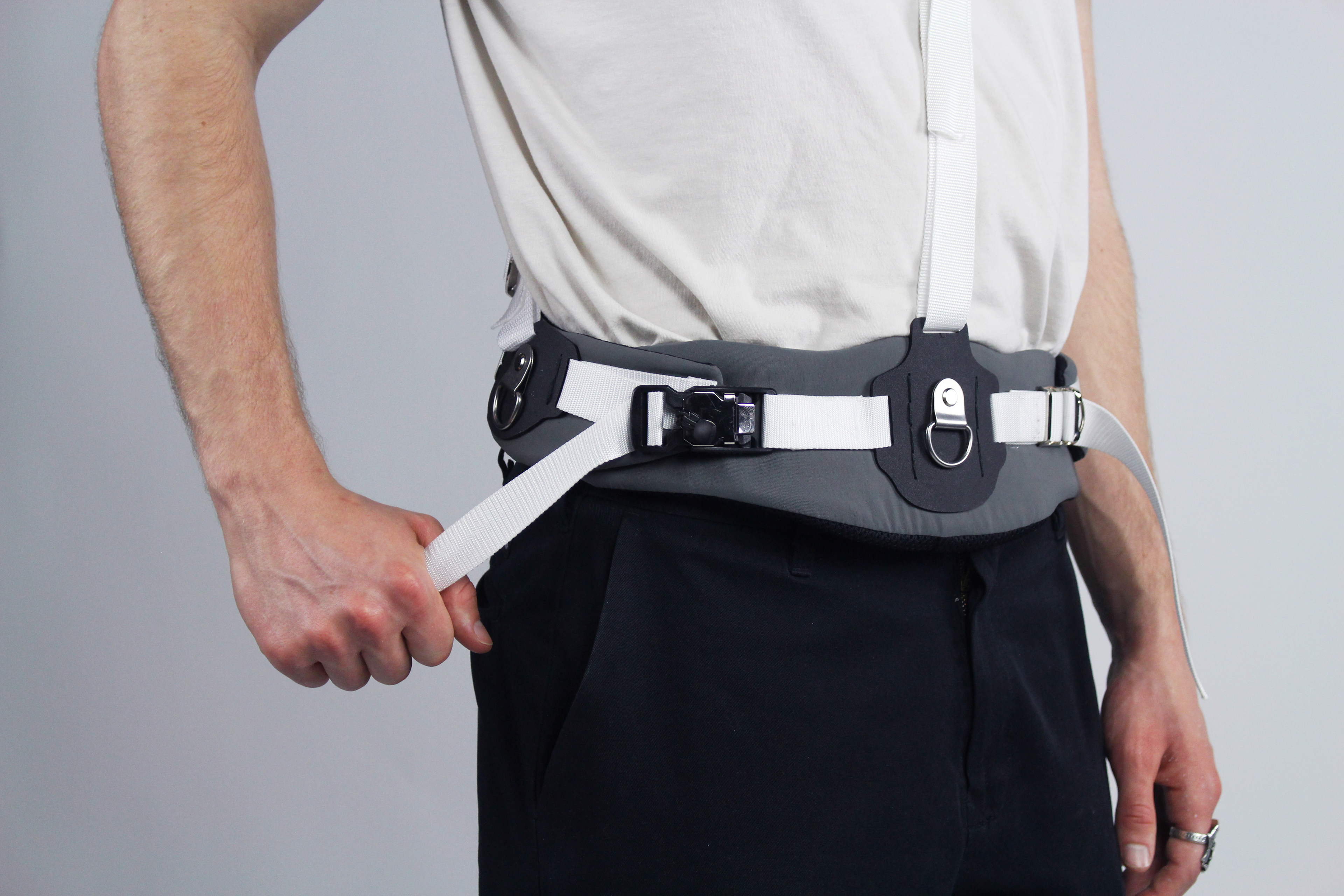
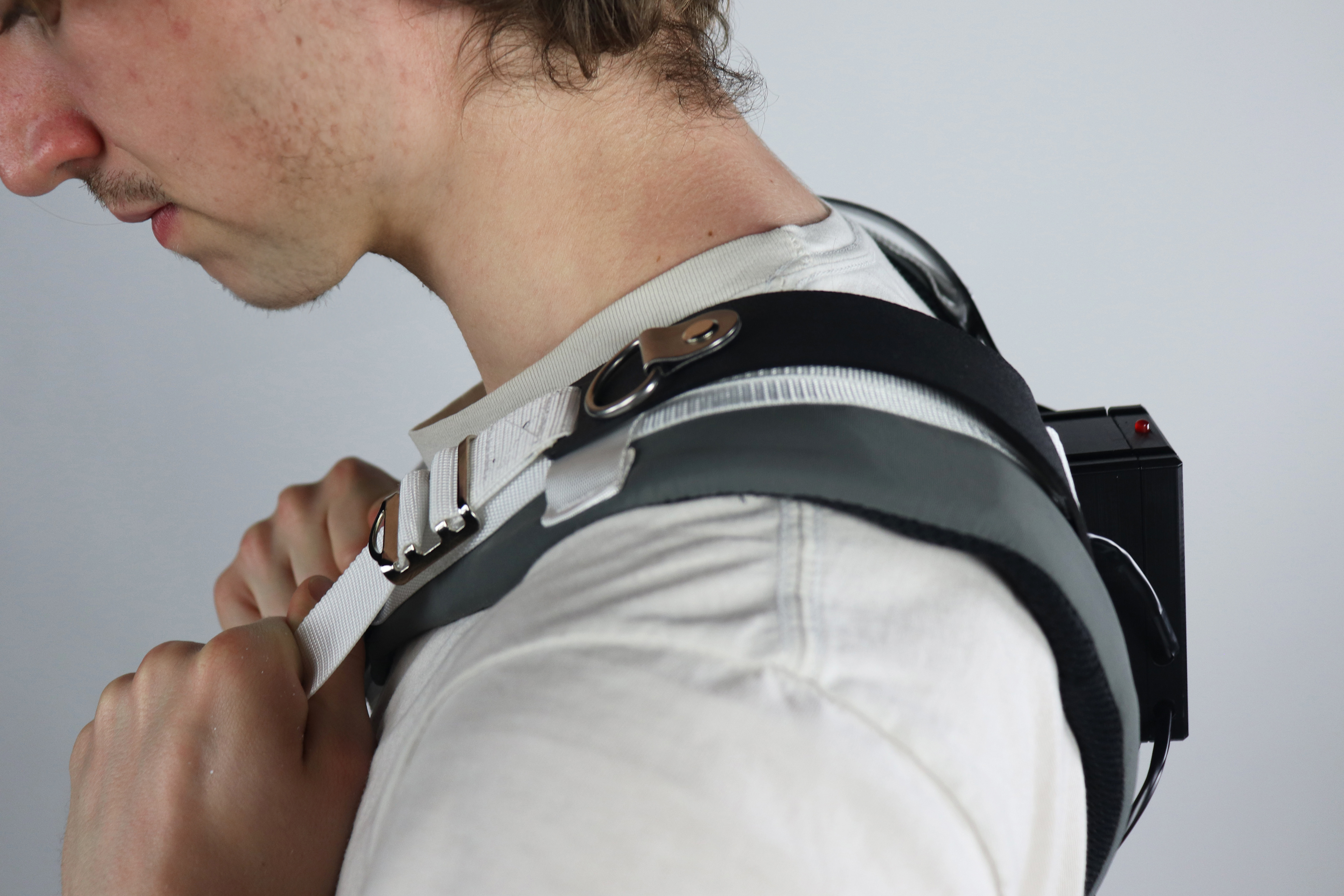
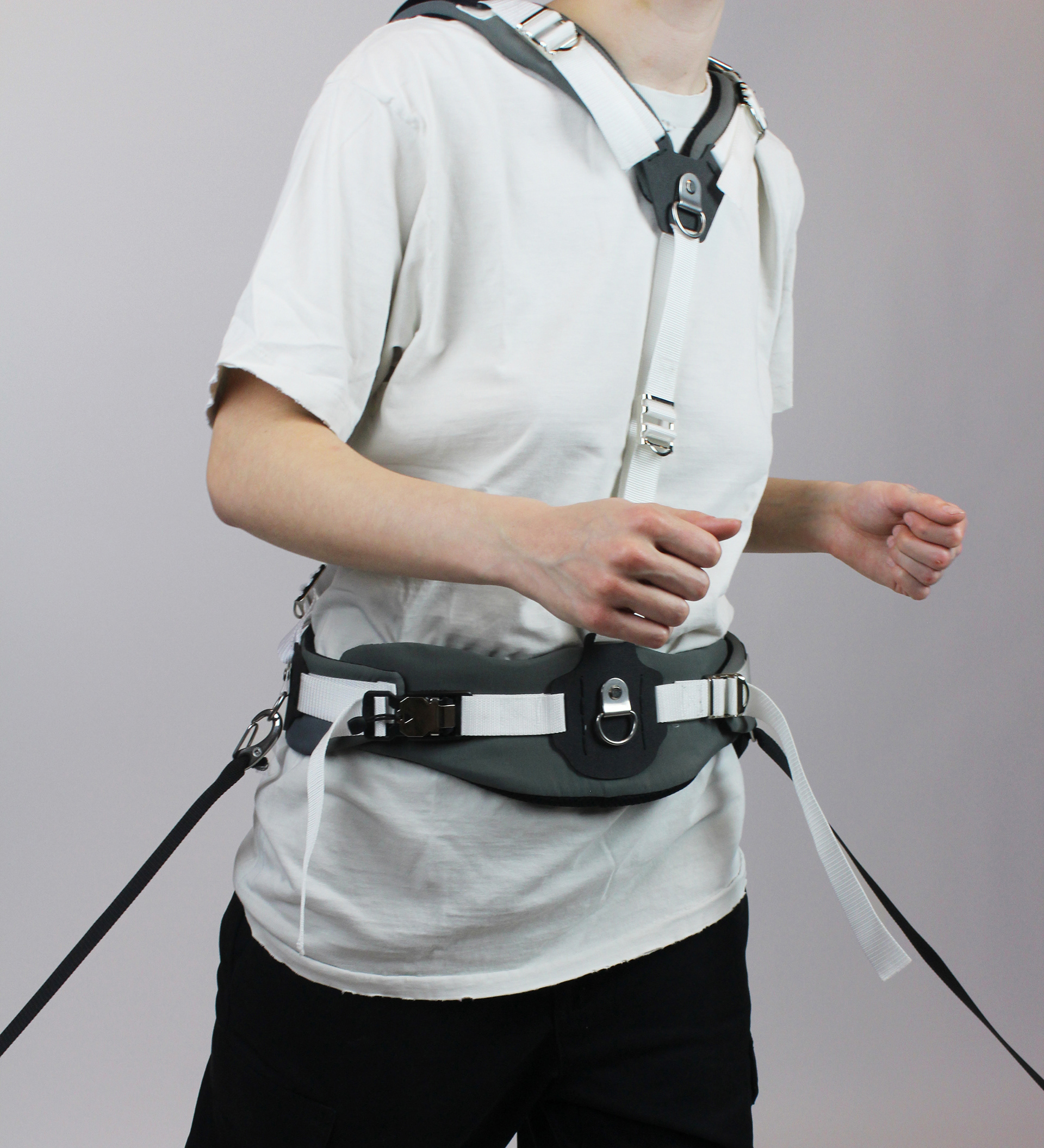
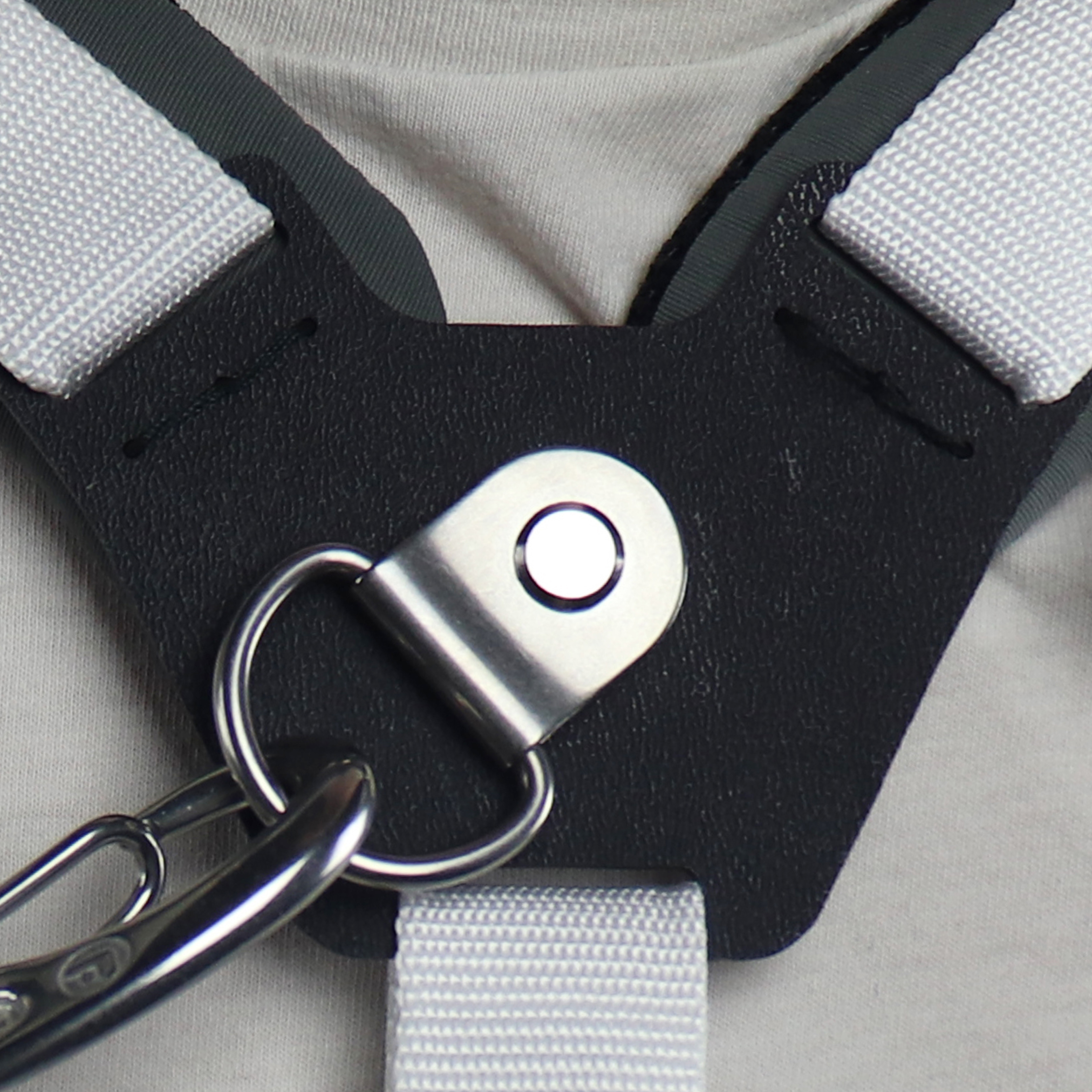
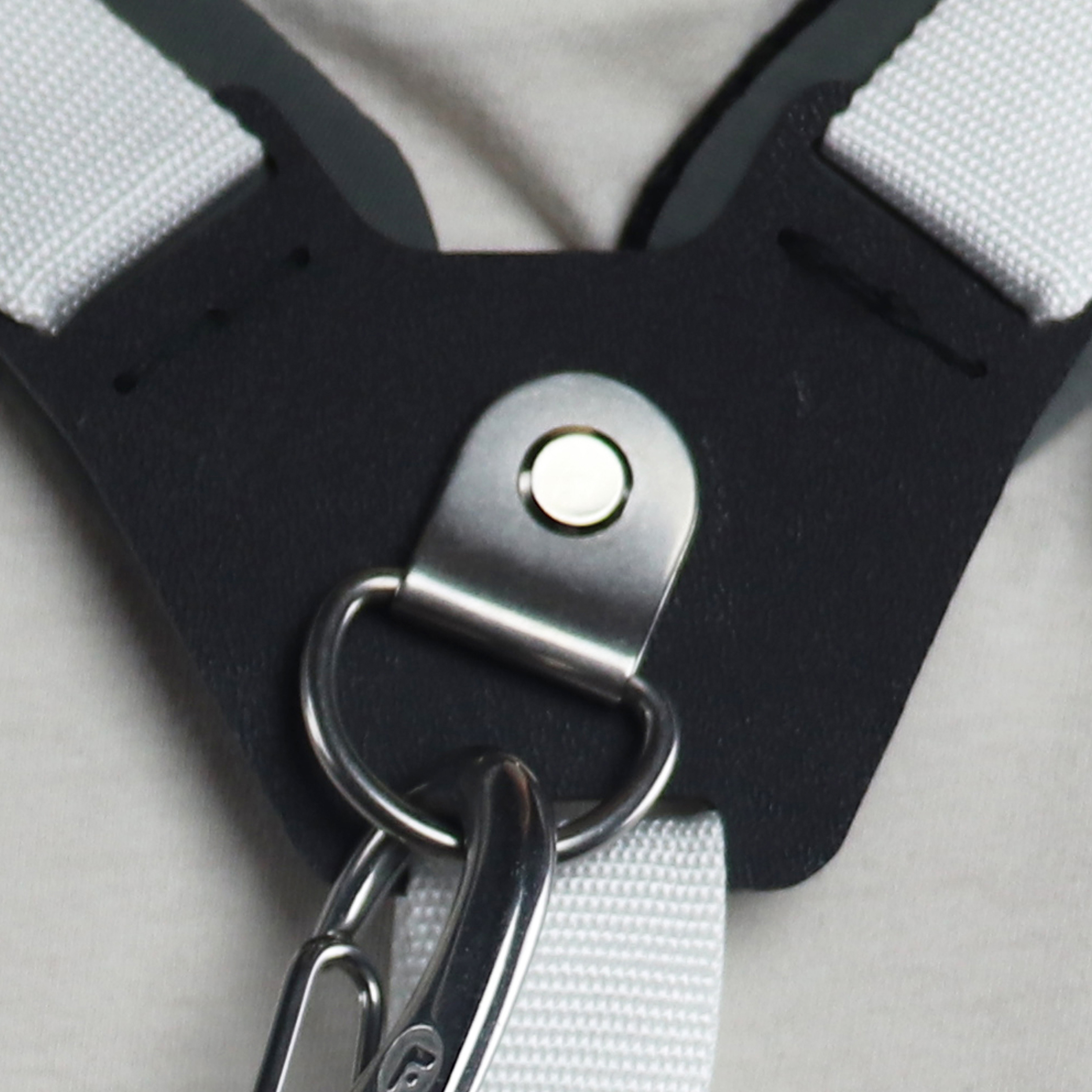
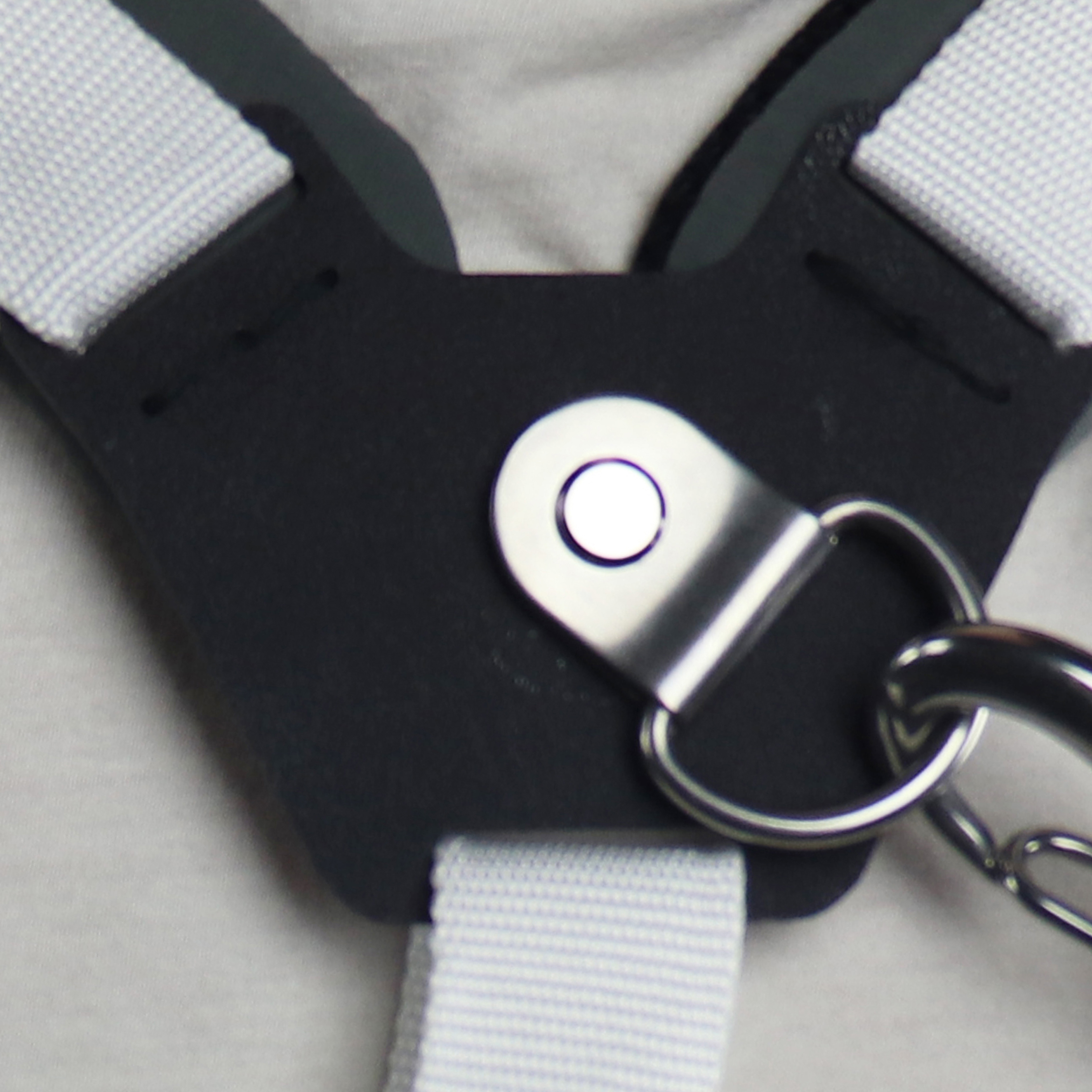
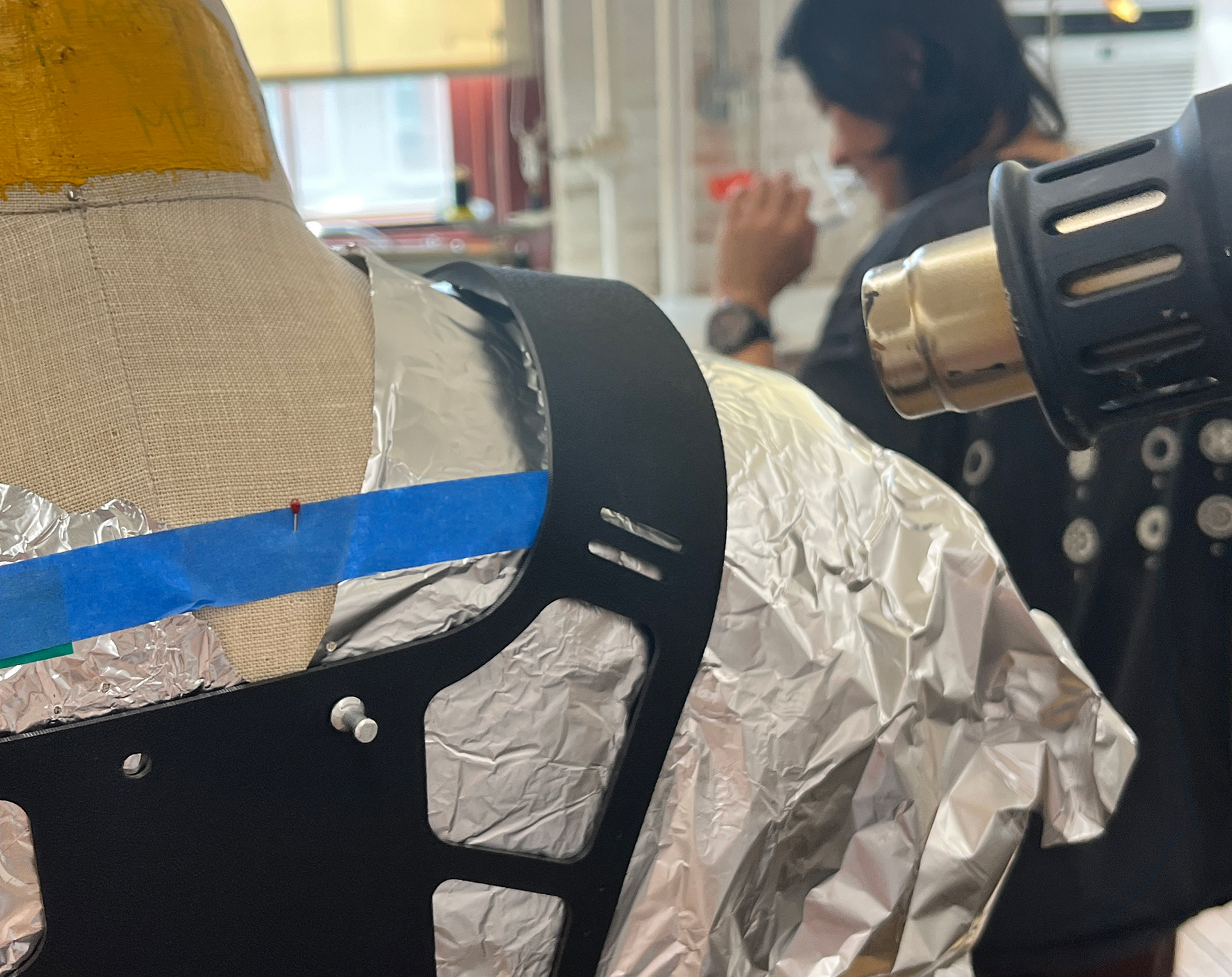
Our final prototype incorporates Y-shaped, adjustable straps to prevent strain on the chest region, as well as pivoting D-rings to enhance mobility. Additionally, an exoskeleton is employed to effectively distribute and absorb the load exerted by the attachments.
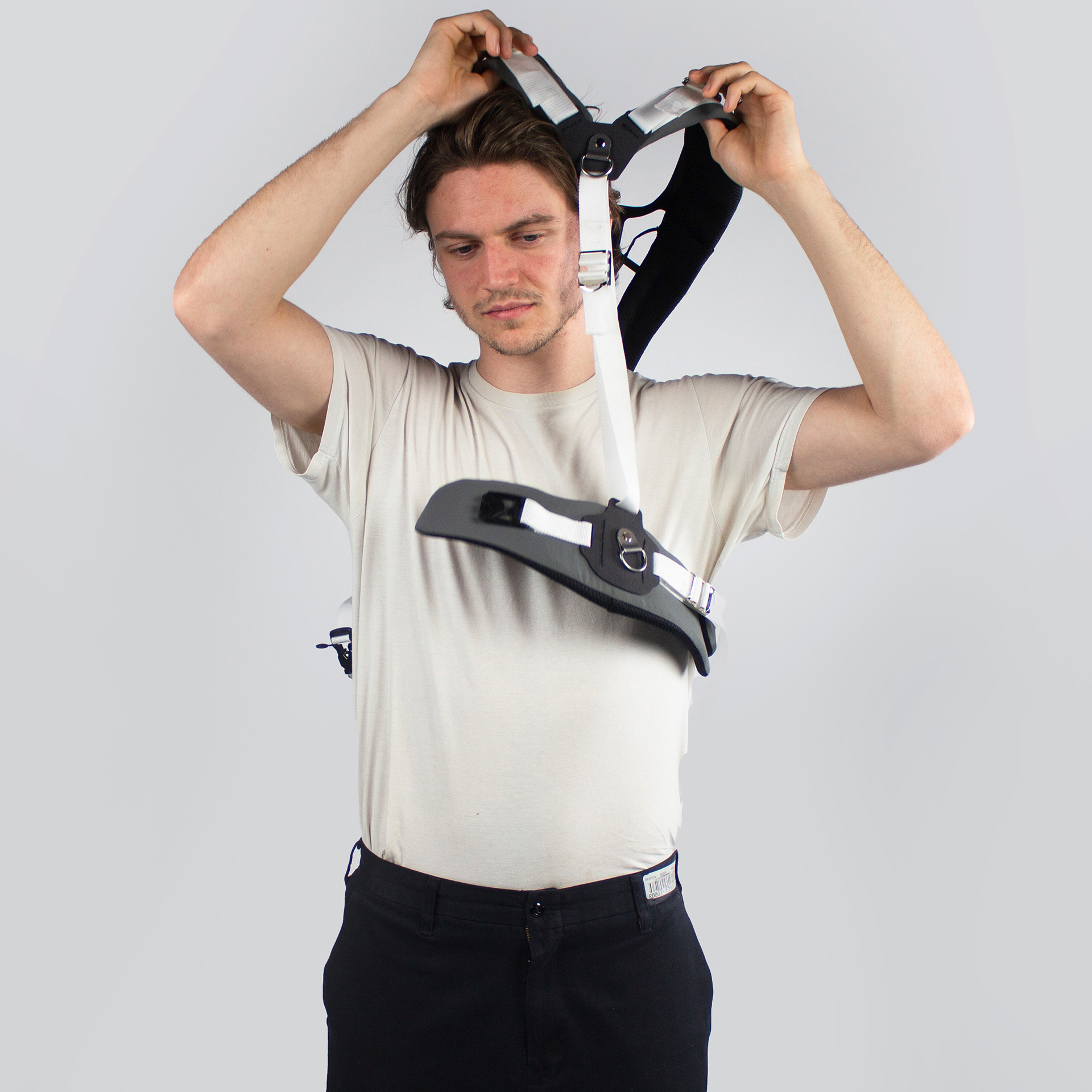
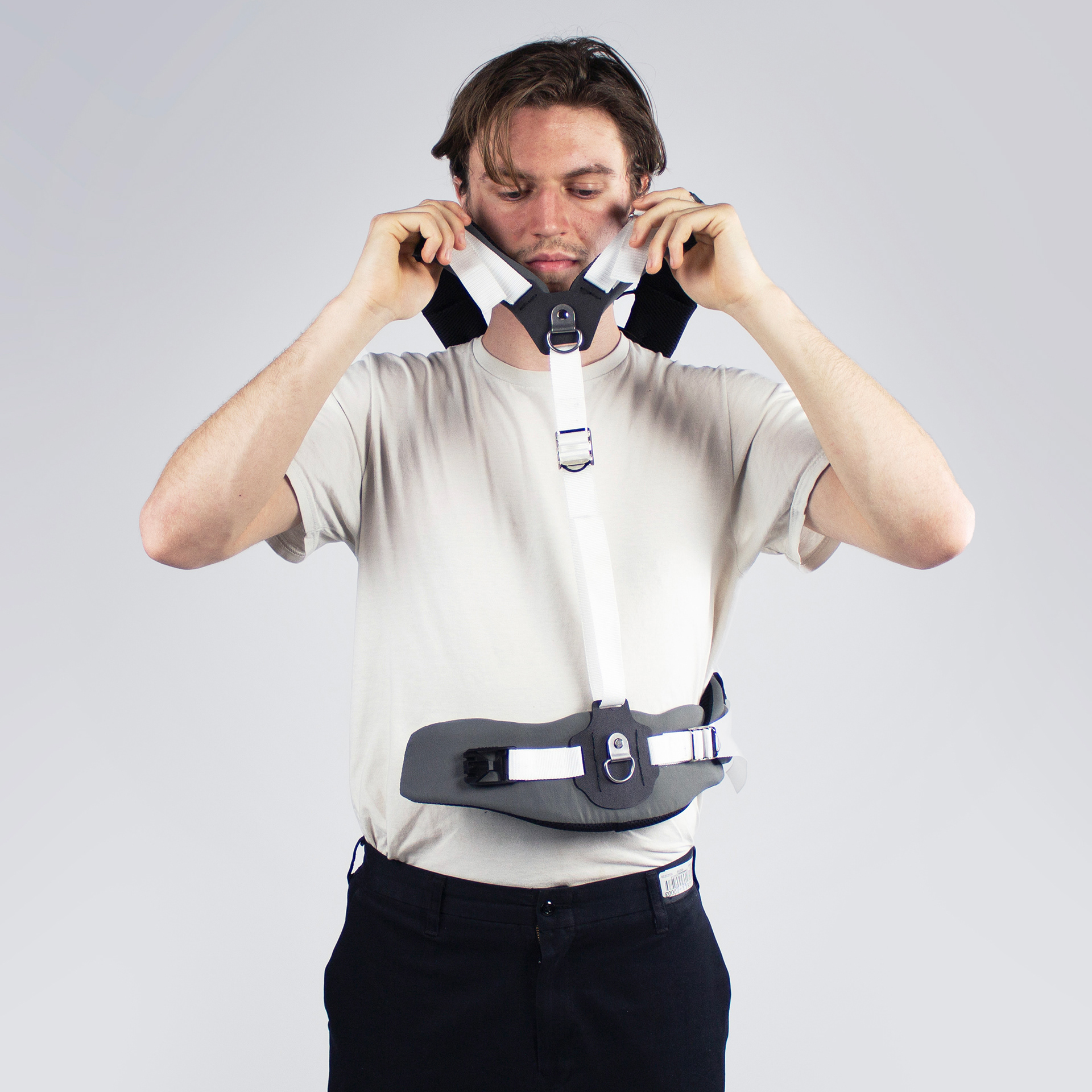
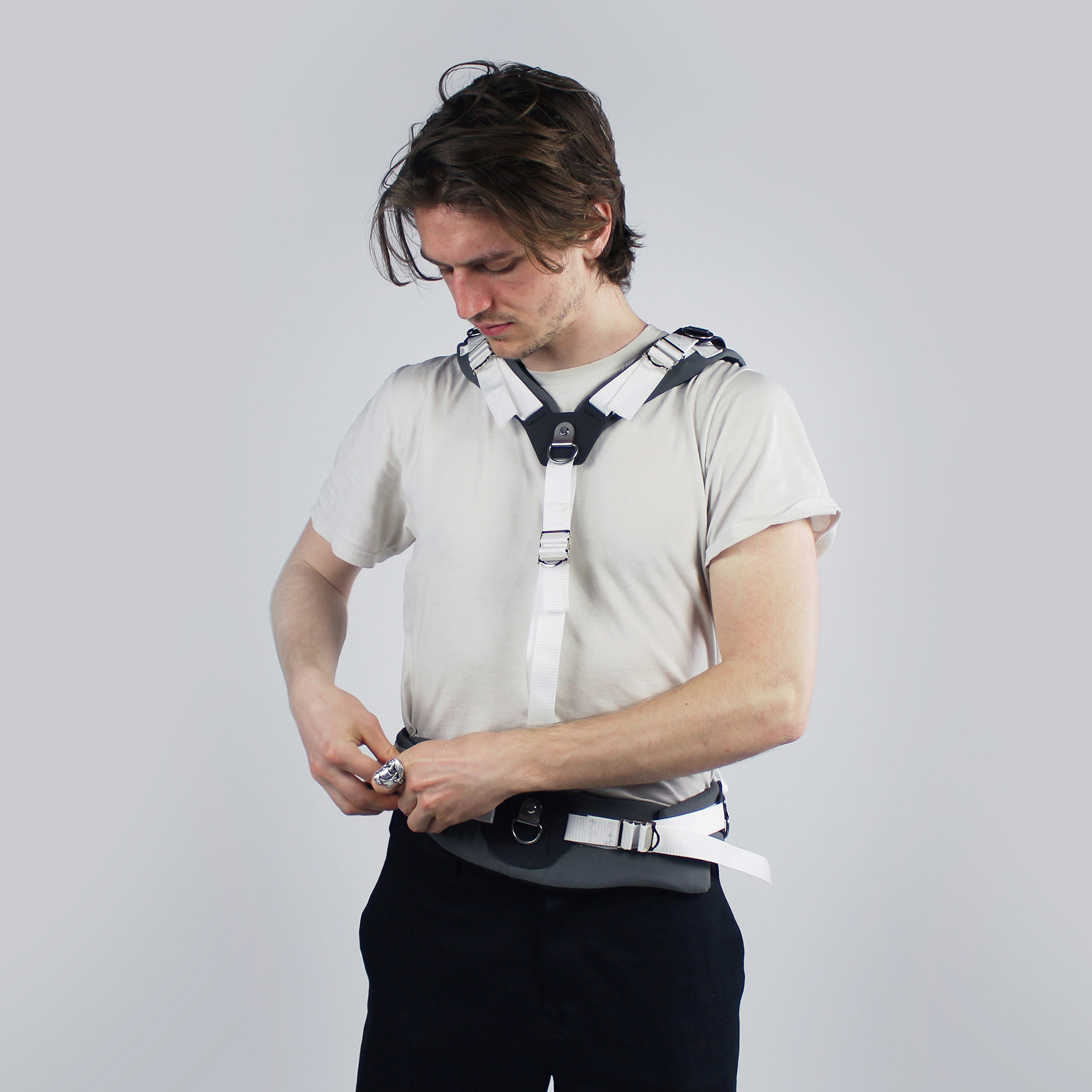
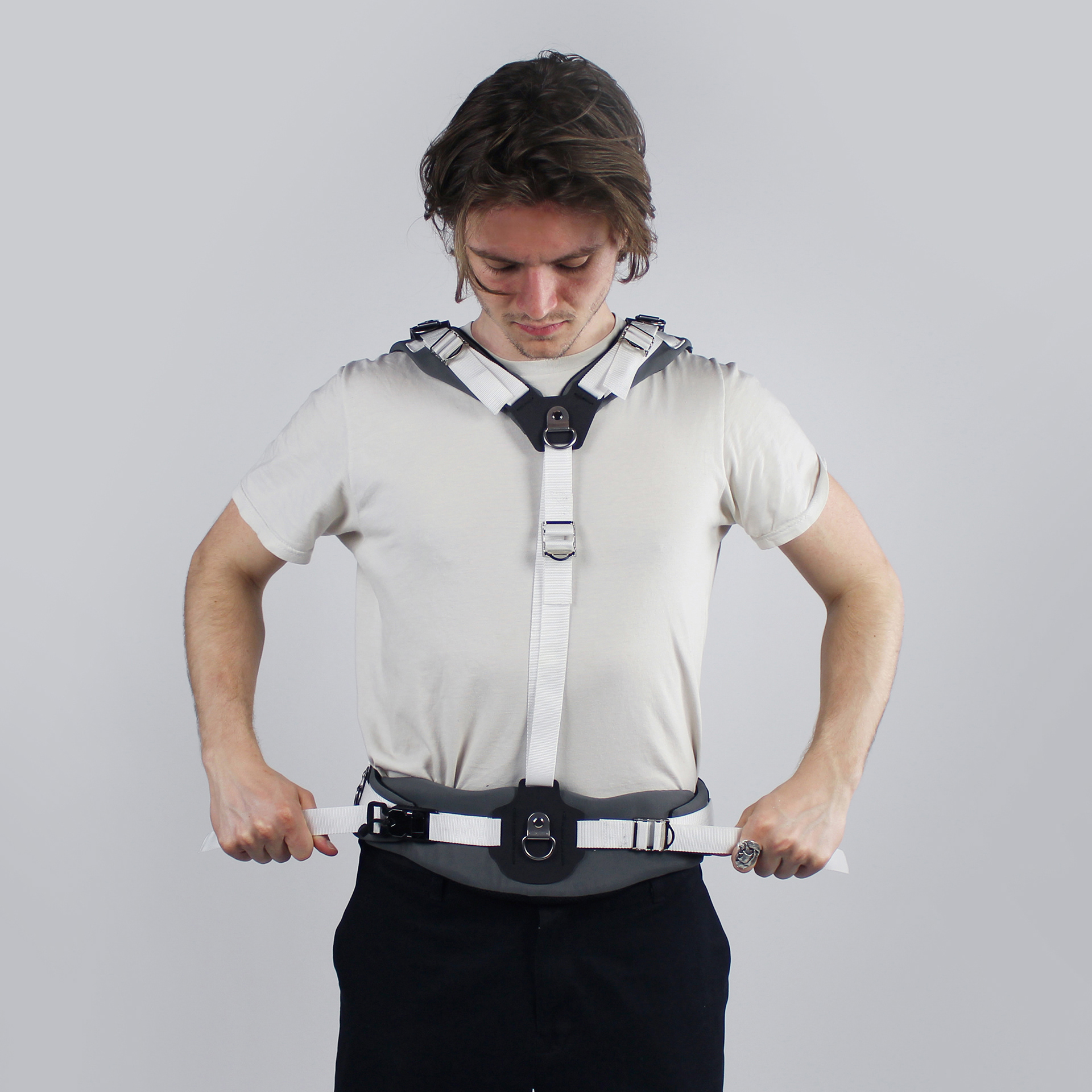
The simplicity of the donning/doffing process is a fundamental aspect of our design, intended to enhance speed and minimize confusion.
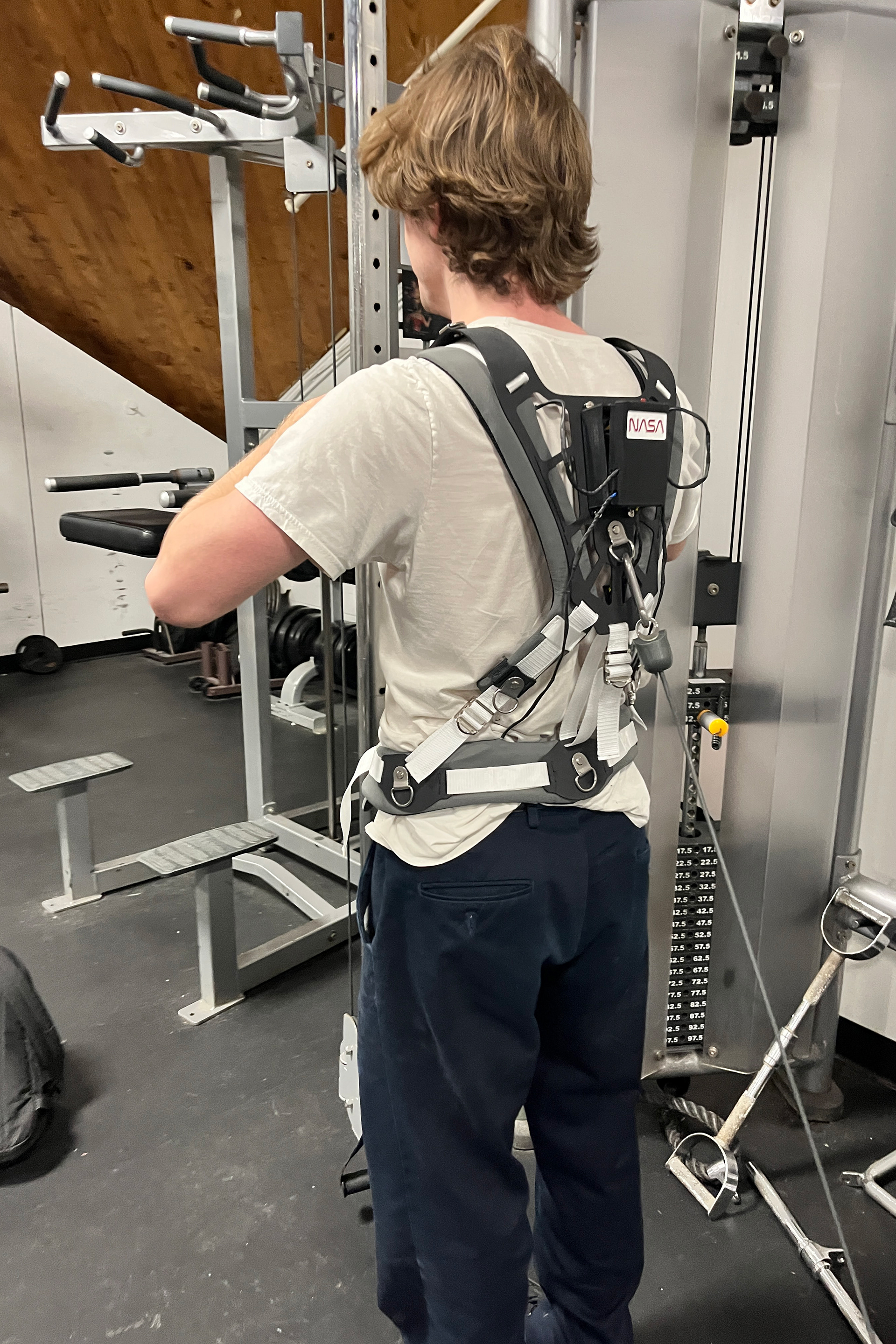
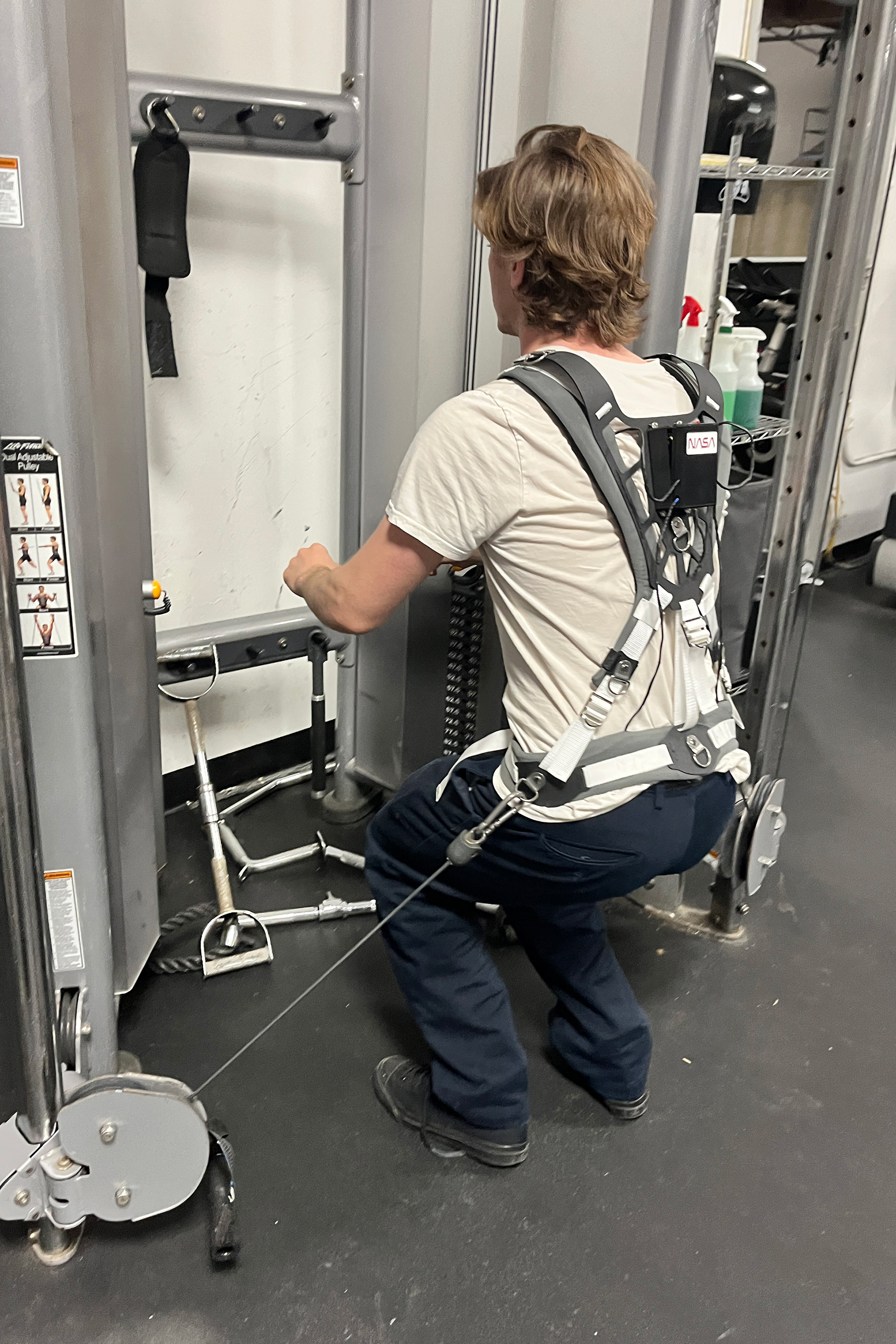
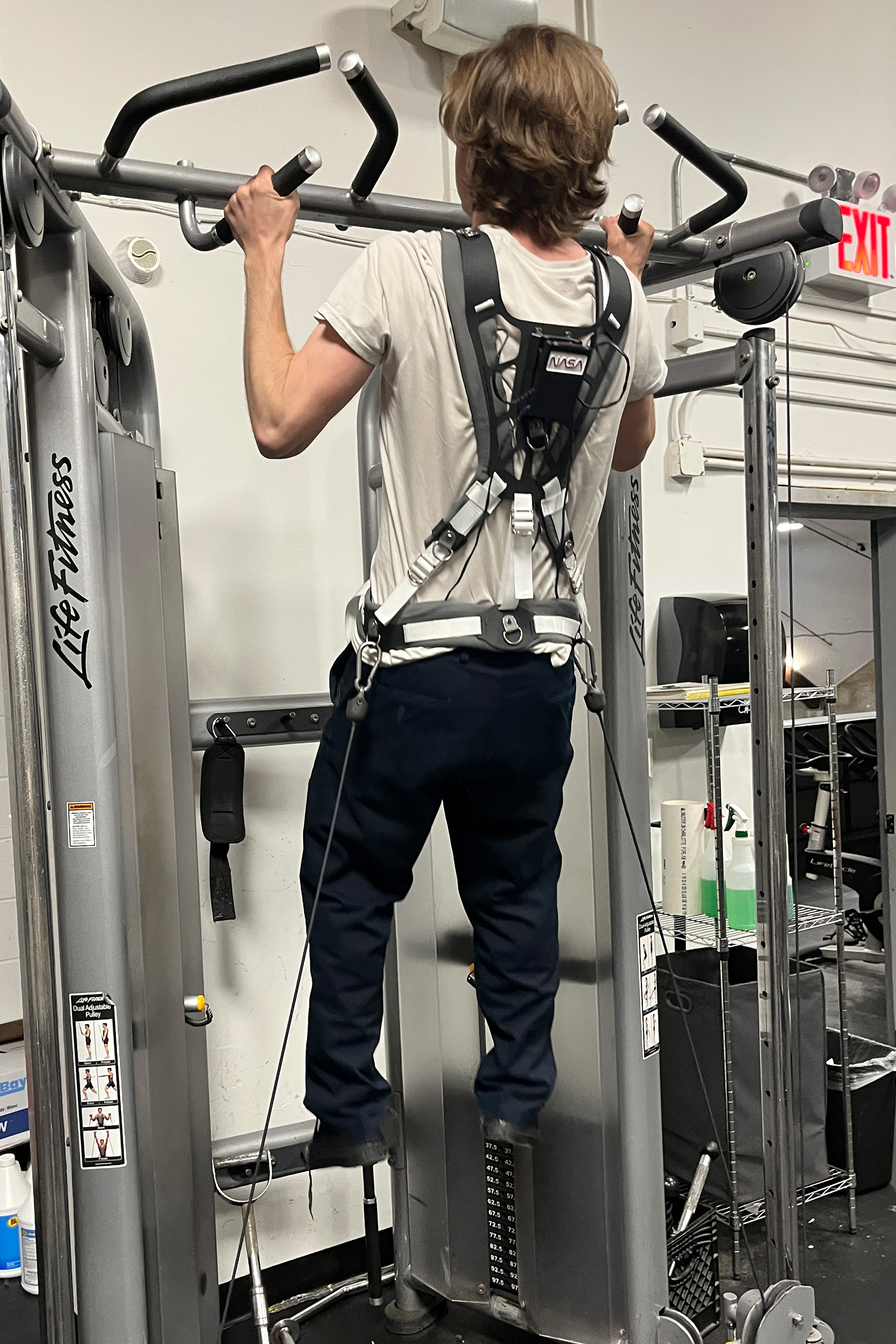
To assess the harness’s performance, we employed a pull-down machine to simulate the gravitational force experienced in space. This simulation enabled us to comprehend the harness’s sensations during exercise.